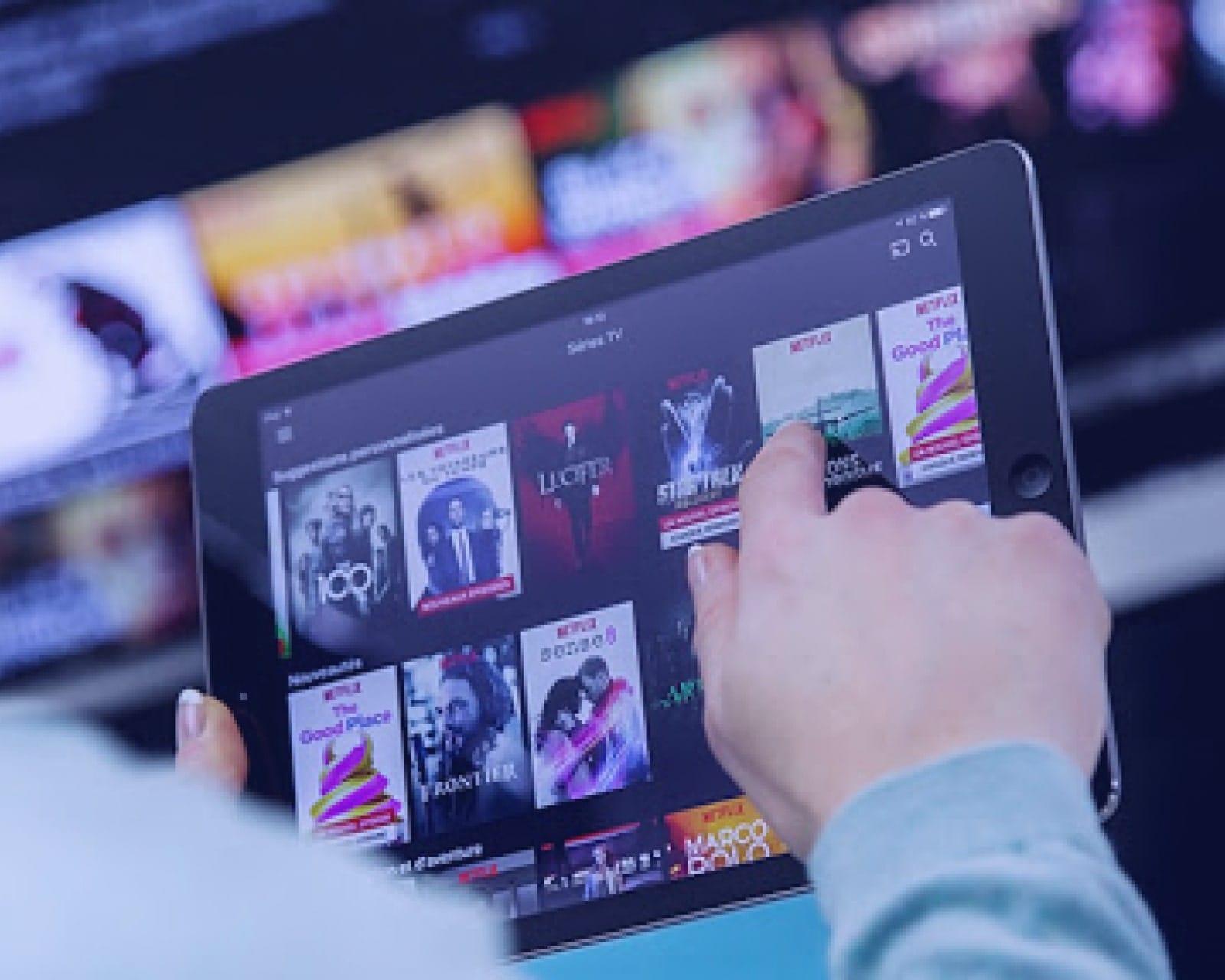
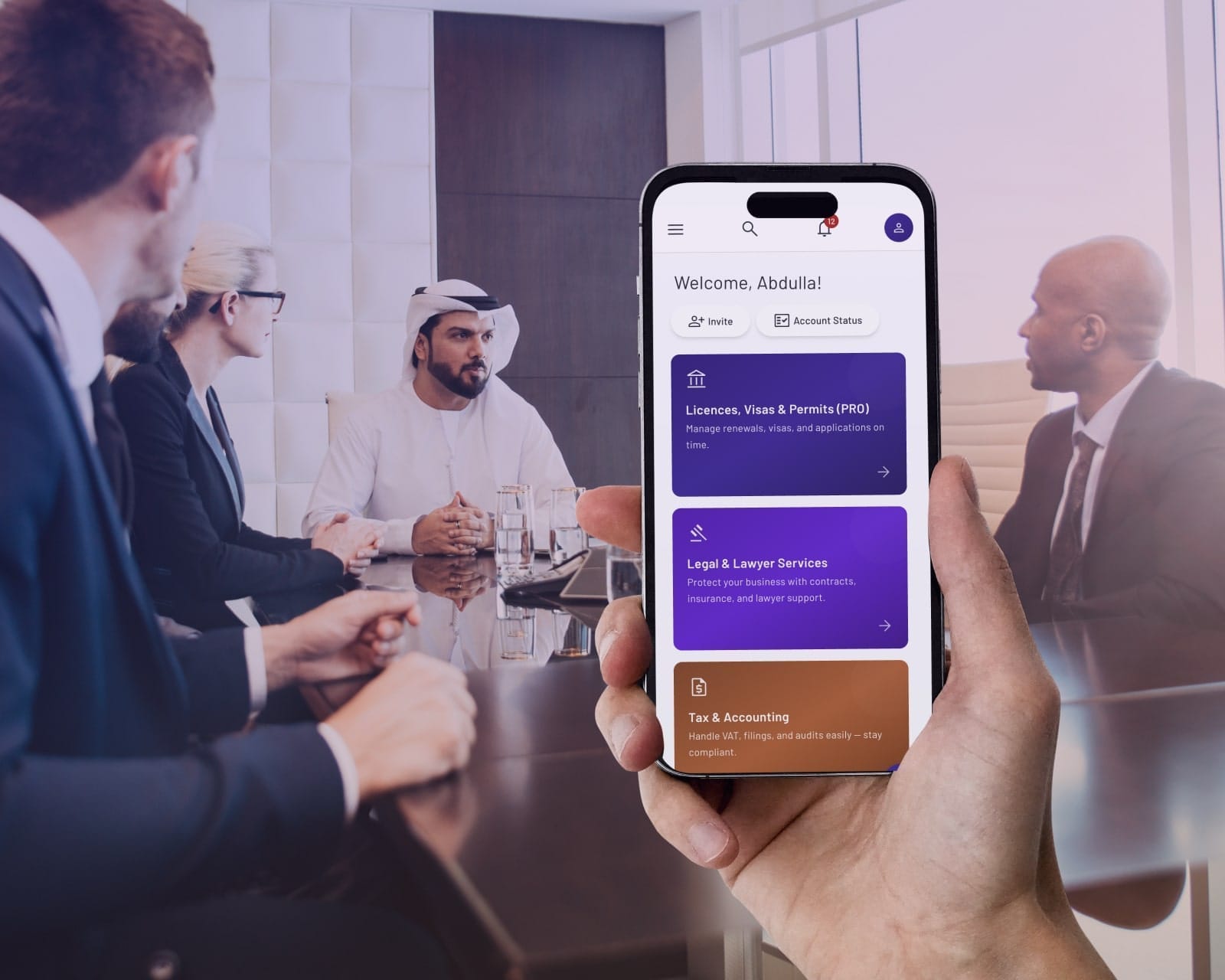
When Huawei set out to expand its video-on-demand footprint across MENA and Africa, the challenge wasn't simply about delivering a streaming service. It was about creating a platform capable of becoming anyone's streaming service — adaptable enough to carry different identities, support multiple languages, shift culturally between markets, and still feel familiar and intuitive for millions of users.
This wasn't a project about building one product. It was a project about designing a uniform experience that could fragment gracefully — a system flexible enough for endless brand variations, yet strong enough to behave like a single ecosystem underneath.
From a CX and design perspective, this required a mindset shift. Instead of designing screens, we were designing rules, behaviours, and a scalable design language that partners could re-skin, re-color, and relabel without breaking the logic of the platform. A system that didn't just look modular — it had to live modularly.
Understanding the Real Problem
Every new content partner came with its own expectations: its own brand story, its own tone, its own cultural nuances, and its own monetisation logic. At the same time, users across regions had their own patterns of discovery, viewing habits, network limitations, and accessibility needs. The platform had to bridge both worlds without compromise.
Through deep research across markets, a few truths became clear:
- Users expect consistency in how they search, browse, and watch content — no matter who the provider is.
- Partners expect full freedom to express their brand identity without technical delays or reinvention.
- Both groups expect performance, stability, and reliability — especially during peak events.
Design, therefore, wasn't just about aesthetics. It was about engineering predictability, speed, and cultural sensitivity into the experience.
Designing a Platform Built on Flexibility and Familiarity
We approached the VOD platform not as a single-layered product but as a multi-tiered experience system. At its core lived a stable streaming engine — its performance consistent regardless of the visual skin layered on top. Around that sat a modular design framework capable of shifting layouts, colour themes, typography rules, iconography, and interactive elements based on partner needs.
The goal was not to create infinite variations. The goal was to create a smart boundary system: a clearly defined set of components that partners could mix, match, and rearrange without sacrificing usability or performance.
Three principles guided the design system:
- Every brand can look unique, but every user journey must feel familiar.
- Localisation must go deeper than language; it must respect reading patterns, cultural content preferences, and accessibility norms.
- Performance cannot be the casualty of flexibility — the system must behave with the same reliability across all branded experiences.
This combination of design logic and technical architecture allowed Huawei to onboard partners at unprecedented speed while keeping the user experience intuitive and stable.
The Impact
When the platform rolled out across multiple markets, something important happened. Partners who previously needed months of development to achieve a customised interface were now launching in weeks. Users navigating different branded VOD apps began benefiting from a consistent underlying experience: predictable search behaviour, familiar layout logic, reliable performance during live events, and a sense of coherence even when the visual identity changed.
The transformation created measurable results:
- Faster onboarding and customisation cycles for new partners.
- More stable performance across peak usage scenarios, reducing frustration and churn.
- Increased user satisfaction driven by intuitive navigation and consistent experience patterns.
Most importantly, Huawei established a foundation capable of regional growth without constant redesign or technical fragmentation.
Why This Matters
In a world of content abundance, differentiation often comes from brand identity — but user loyalty comes from experience quality. Huawei's VOD platform succeeded because it didn't force partners to choose between the two. It delivered a system where creativity and consistency could coexist, where global logic worked hand-in-hand with local nuance, and where design empowered business scalability rather than restricting it.
This is the heart of what Sygneo brings to large-scale digital ecosystems: the ability to design experiences that are flexible, reliable, and deeply respectful of how real users behave — no matter where they are or whose logo sits at the top of the screen.